Earl Warren
14th chief justice and 30th governor of California.

via Wikipedia: Earl Warren · see source
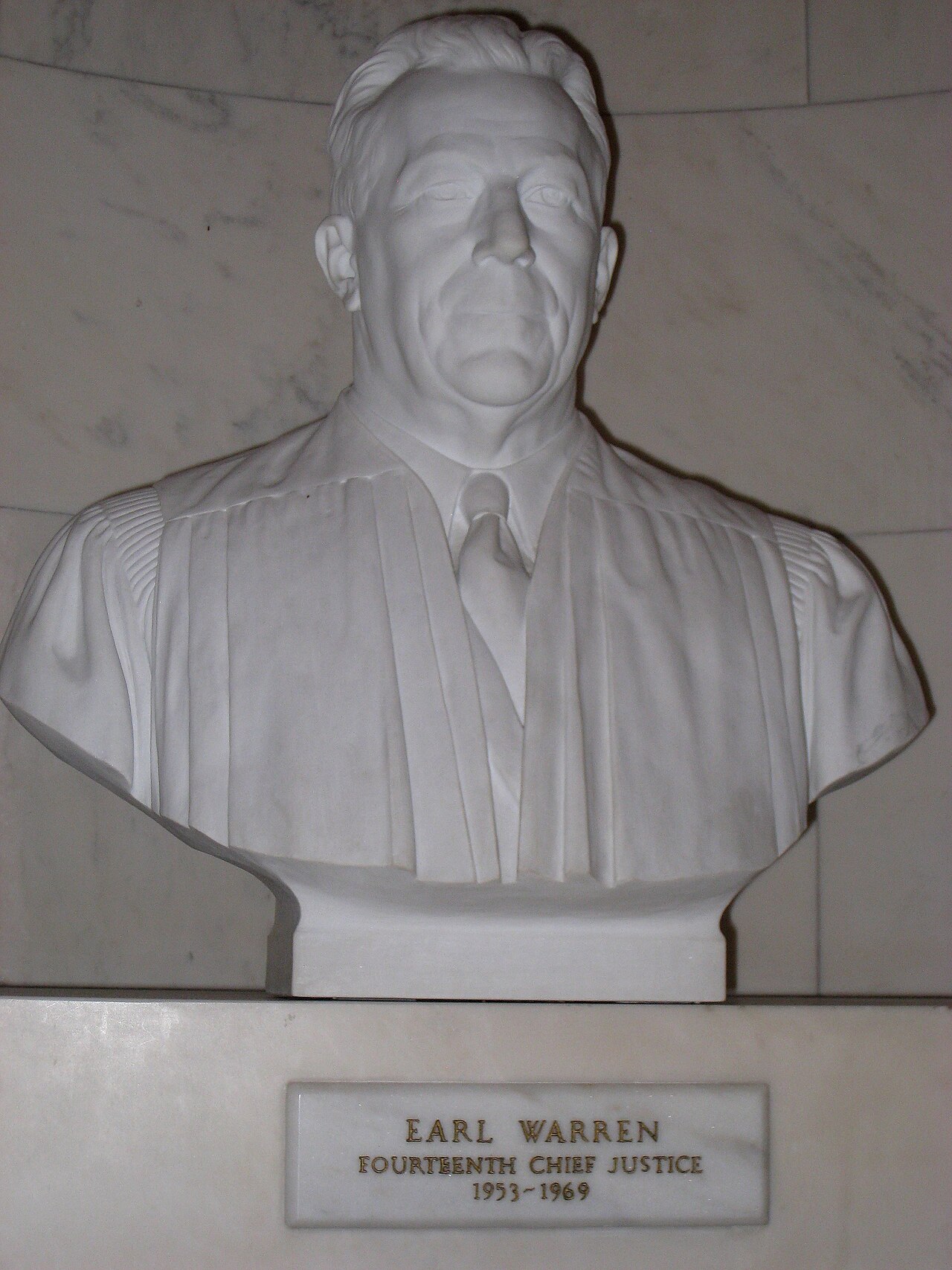
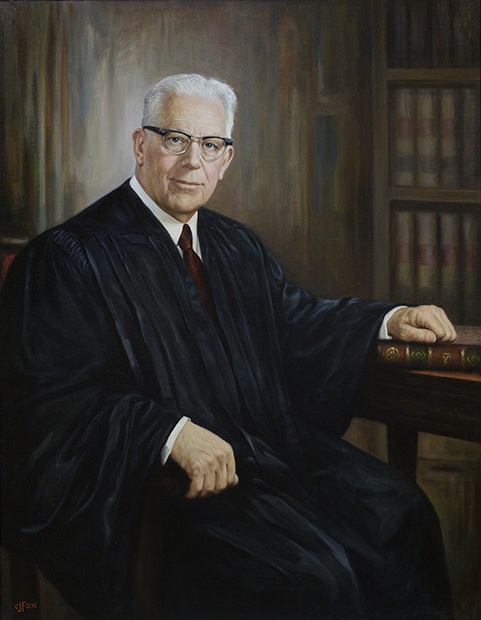
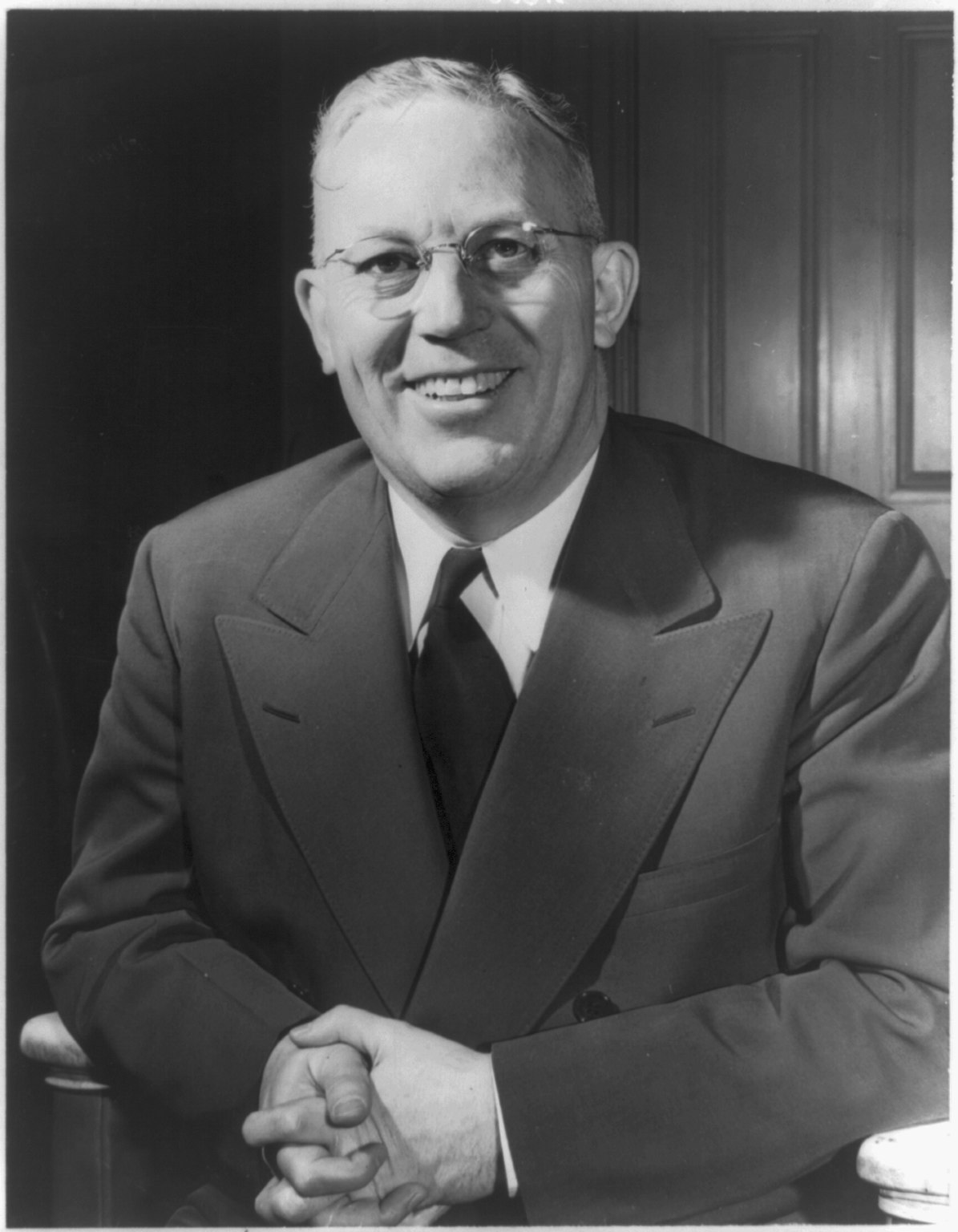
Earl Warren was an American attorney and politician who served as the 14th chief justice of the United States from 1953 to 1969 and as the 30th governor of California from 1943 to 1953. He is recognized for leading the Warren Court, which presided over a major shift in American constitutional jurisprudence often described as a 'constitutional revolution' in the liberal direction, and for chairing the Warren Commission that investigated the 1963 assassination of President John F. Kennedy.
- born
- March 19, 1891, Los Angeles, California
- died
- July 9, 1974
- field
- Law, politics
- nationality
- American
- known_for
- Chief justice of the United States, governor of California, Warren Court rulings
Verified Timeline
Lore & Background
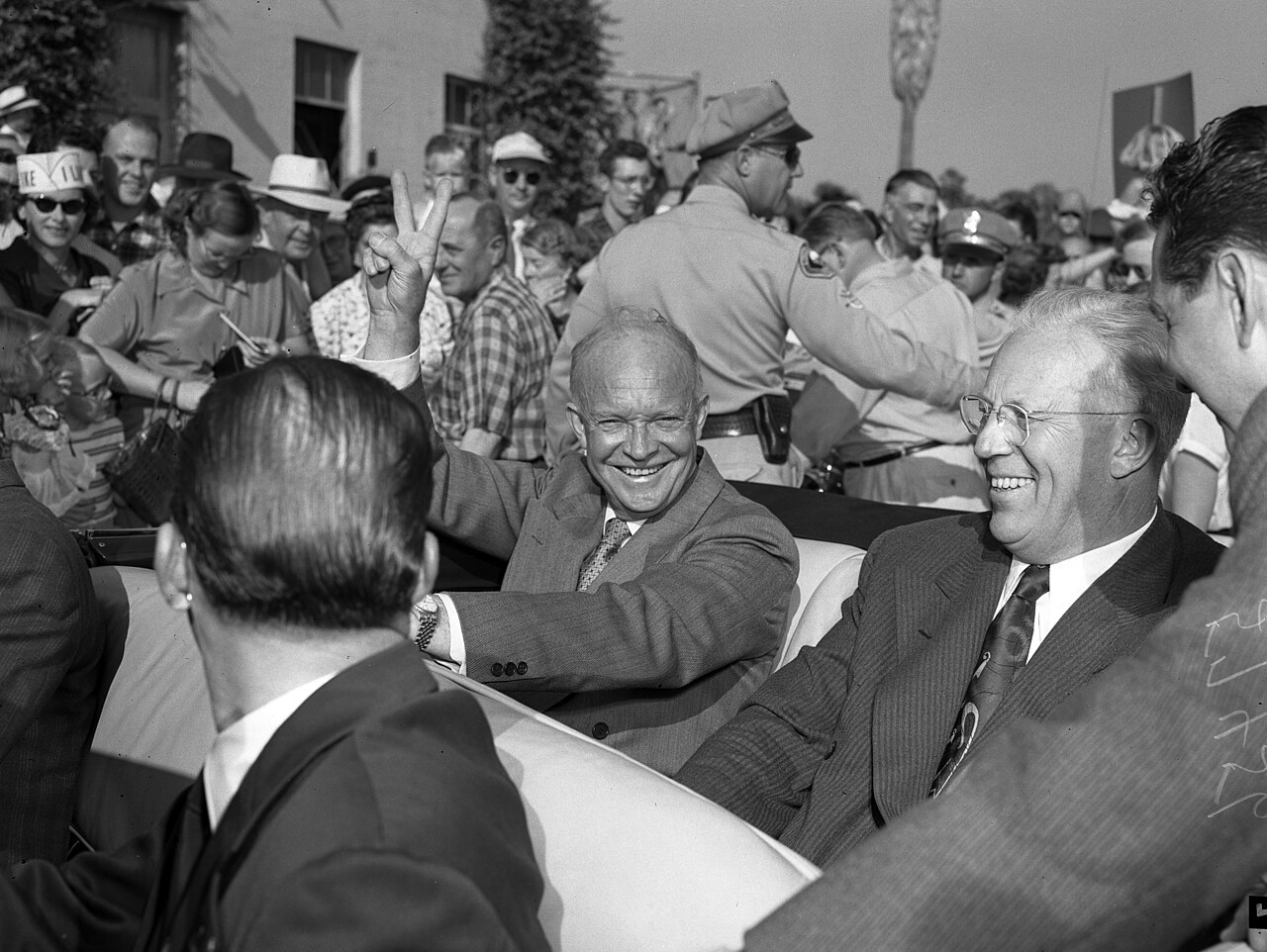
Warren was Thomas E. Dewey's running mate in the 1948 presidential election, but the ticket lost to incumbent president Harry S. Truman and Senator Alben W. Barkley in an election upset. He sought the Republican nomination in the 1952 presidential election, but the party nominated Dwight D. Eisenhower. After Eisenhower won election as president, he appointed Warren as chief justice. As chief justice, Warren helped arrange a unanimous decision in Brown v. Board of Education (1954), which ruled that racial segregation in public schools was unconstitutional. The Warren Court later upheld the Civil Rights Act of 1964 in Heart of Atlanta Motel, Inc. v. United States (1964) and issued landmark rulings in criminal procedure, redistricting, and privacy, including Miranda v. Arizona (1966), Reynolds v. Sims (1964), and Loving v. Virginia (1967). Warren announced his retirement in 1968 and was succeeded by Warren E. Burger in 1969.
Reader's Guide
Earl Warren's significance lies in his leadership of the Warren Court, which fundamentally reshaped American constitutional law. The Court's decisions in Brown v. Board of Education (1954), Reynolds v. Sims (1964), Miranda v. Arizona (1966), and Loving v. Virginia (1967) addressed racial segregation, legislative apportionment, criminal procedure, and interracial marriage, respectively. After Brown, the Warren Court continued to issue rulings that helped bring an end to the segregationist Jim Crow laws prevalent throughout the Southern United States. In Heart of Atlanta Motel, Inc. v. United States (1964), the Court upheld the Civil Rights Act of 1964, a federal law that prohibits racial segregation in public institutions and public accommodations. The Court's decisions in Gideon v. Wainwright (1963) established a criminal defendant's right to an attorney in felony cases, and Miranda v. Arizona (1966) required police officers to give what became known as the Miranda warning to suspects taken into police custody. Reynolds v. Sims (1964) established that all state legislative districts must be of roughly equal population size, while Wesberry v. Sanders (1964) required equal populations for congressional districts, achieving 'one man, one vote' in the United States. Griswold v. Connecticut (1965) established a constitutional right to privacy and struck down a state law that restricted access to contraceptives. A series of rulings by the Warren Court in the 1950s helped lead to the decline of McCarthyism. Warren also led the Warren Commission, a presidential commission that investigated the 1963 assassination of President John F. Kennedy. Warren is the most recent chief justice to have served in a statewide elected office before nomination to the Supreme Court. He is generally considered to be one of the most influential Supreme Court justices and political leaders in the history of the United States. Few of the Court's decisions have been overturned.
Did You Know?
- Warren was born in Los Angeles, California, on March 19, 1891, and grew up in Bakersfield, California, after his family resettled there in 1896.
- Warren was Thomas E. Dewey's running mate in the 1948 presidential election, but the ticket lost to incumbent president Harry S. Truman in an election upset.
- As attorney general of California, Warren supported and was a firm proponent of the forced removal and internment of over 100,000 Japanese Americans during World War II.
- Warren is the only governor of California to be elected for three consecutive terms, serving from 1943 to 1953.
- Warren enlisted in the United States Army as a private in August 1917, was promoted to first lieutenant, and remained in the Army Reserve until 1934, rising to the rank of captain.
From Bakersfield to the Bench: A Political Ascent
Earl Warren's path from a small California town to the nation's highest court was one of steady, methodical political climbing. Raised in Bakersfield after his Norwegian and Swedish immigrant parents settled in Southern California, he attended UC Berkeley, where progressive-era figures like Governor Hiram Johnson left an imprint on his thinking. He earned his law degree in 1914 and entered the California bar without examination. His legal career took root in Oakland, where he became deputy district attorney for Alameda County in 1920 and was elevated to district attorney five years later. That prosecutorial platform launched him into state politics: he rose to lead California's Republican Party and won the attorney general's seat in 1938. In 1942 he unseated the incumbent Democratic governor, then served three consecutive terms—the only California governor ever to achieve that distinction. A 1948 vice-presidential run alongside Thomas Dewey ended in an upset loss to Truman, and a 1952 presidential bid yielded instead to Eisenhower, who would go on to appoint Warren as the fourteenth chief justice in 1953.
Brown and the Erosion of Jim Crow
The single most consequential act of the Warren Court came in 1954, when Warren personally worked to secure a unanimous ruling in Brown v. Board of Education, holding that separating students by race in public schools violated the Constitution. That decision became the cornerstone of a broader judicial campaign that, over the following decade, systematically dismantled the patchwork of Jim Crow statutes still enforced across the South. In 1964 the Court went further: Heart of Atlanta Motel v. United States validated the federal Civil Rights Act, which barred segregation in public accommodations, while Reynolds v. Sims and Wesberry v. Sanders together established the equal-population principle for both state legislatures and congressional districts. Warren authored the majority opinions in several of these landmark cases. Observers have described the cumulative effect as a genuine constitutional revolution moving in a liberal direction, and the Court's 1950s rulings also contributed to the fading of McCarthy-era political repression. Few of these decisions have ever been overturned.
Reshaping Criminal Justice and Personal Liberty
Throughout the 1960s the Warren Court fundamentally rewrote the rules governing how the state could investigate, prosecute, and punish individuals. Gideon v. Wainwright (1963) guaranteed a criminal defendant the right to court-appointed counsel in felony cases, and Miranda v. Arizona (1966) required officers to inform suspects of their constitutional protections before custodial interrogation—the now-familiar warning that bears the case's name. Schmerber v. California (1966) clarified that a forced blood draw does not constitute compelled testimony, drawing a line between Fourth and Fifth Amendment protections. Warden v. Hayden (1967) reversed the old mere-evidence rule, dramatically broadening what police could seize under a search warrant. Beyond the courtroom, Griswold v. Connecticut (1965) recognized a constitutional right to privacy by striking down a state ban on contraceptive access, and Loving v. Virginia (1967) invalidated anti-miscegenation statutes that had prohibited interracial marriage. Across all these rulings, the Court incorporated Bill of Rights guarantees so they bound state and local governments as well as the federal one.
A Complicated Legacy: Internment, the Kennedy Commission, and Historical Memory
Warren's record carries a shadow that complicates his otherwise towering reputation. As California's attorney general, he actively championed the government's policy of removing and interning over 100,000 Japanese Americans during the war years—a stance that stands in stark contrast to the civil-rights jurisprudence he later championed from the bench. As governor from 1943 to 1953 he oversaw a period of significant statewide and national growth, and his three-term record remains unique in California's history. After leaving the Court, he led the presidential commission that investigated the 1963 assassination of President Kennedy, adding another layer of public service to an already extraordinary career. He retired in 1968 and was succeeded by Warren E. Burger in 1969. His rulings have drawn both praise and criticism from across the political spectrum, and he is widely regarded as one of the most influential justices and political figures in American history—the most recent chief justice to have held statewide elected office before his Supreme Court appointment.
Gallery
Frequently Asked Questions
Who is Earl Warren?
Earl Warren was an American attorney and politician who served as the 30th governor of California and later as the 14th chief justice of the United States. Born in Los Angeles in 1891, he held the chief justiceship from 1953 to 1969.
What was Earl Warren's role at the Supreme Court?
As chief justice, he managed the Court's schedule and actively encouraged his colleagues to take a more expansive view of constitutional rights. His behind-the-scenes leadership helped steer the institution toward landmark decisions on civil rights and criminal justice.
What made the Warren Court era so significant?
During his tenure, the Court issued a series of rulings that dramatically broadened individual liberties in areas such as voting, criminal procedure, and racial equality. Many legal scholars describe this period as a liberal constitutional revolution that redefined the relationship between citizens and government.
What was the Warren Commission?
It was the presidential panel Warren chaired in 1963 to investigate the assassination of President John F. Kennedy. The commission's final report concluded that Lee Harvey Oswald fired the fatal shots and acted without accomplices.
Why is Earl Warren important in legal history?
His chief justiceship marked a decisive shift in which the Supreme Court became a primary protector of individual rights against state and federal power. Beyond the bench, his California governorship—where he championed major public works and social programs—gave him a political perspective that informed his judicial philosophy.
More in Jurists And Legal Scholars 1-24
Elsewhere in the Jurists And Legal Scholars universe
Spotted an error? Know more?
This is a living reference — every entry is fact-audited, and reader corrections feed straight into our audit queue. Suggest an edit · See this site's audit record