William Rehnquist
16th Chief Justice, conservative federalist, led Rehnquist Court.

Gabichan2020 · CC BY-SA 4.0
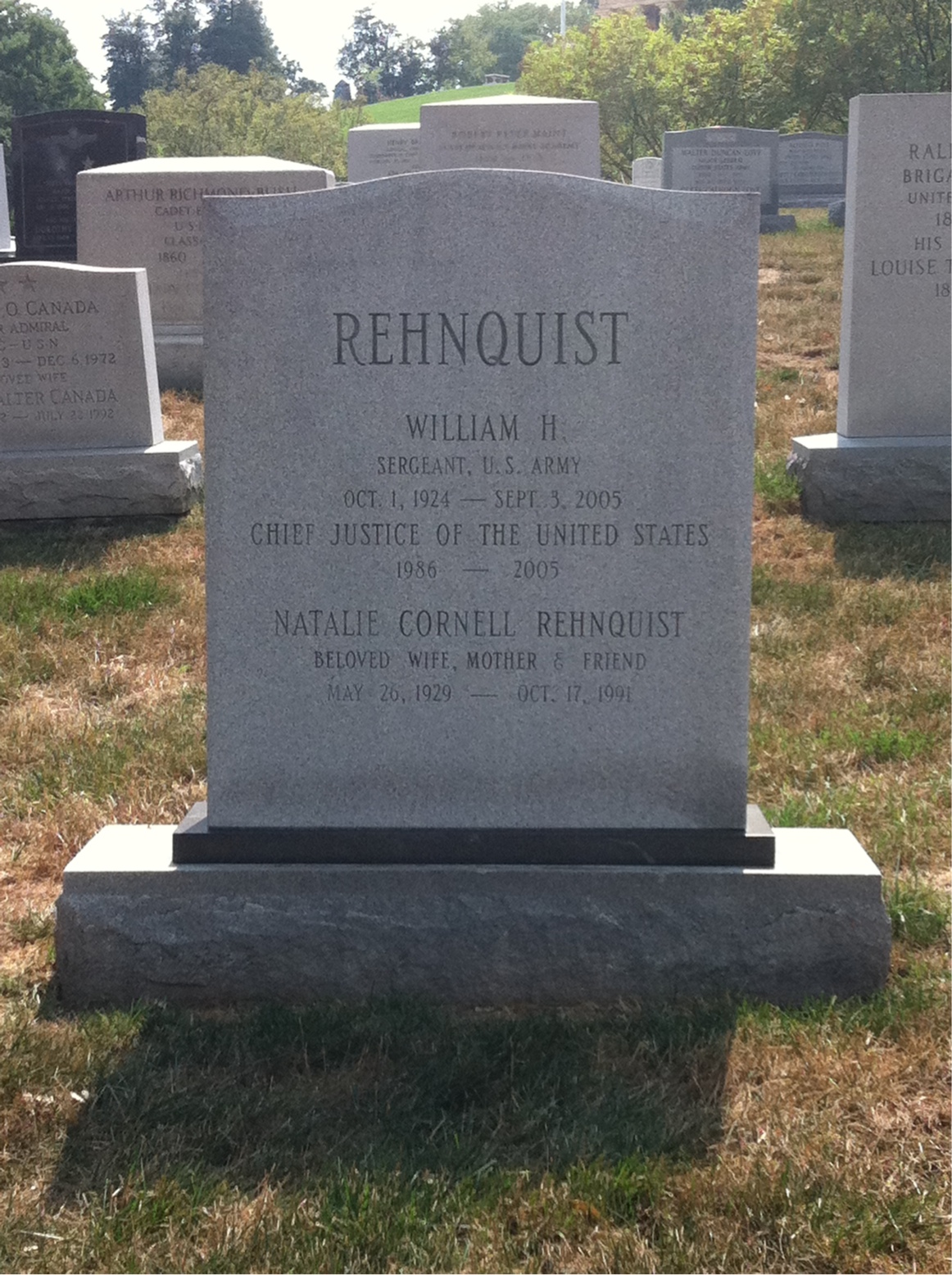
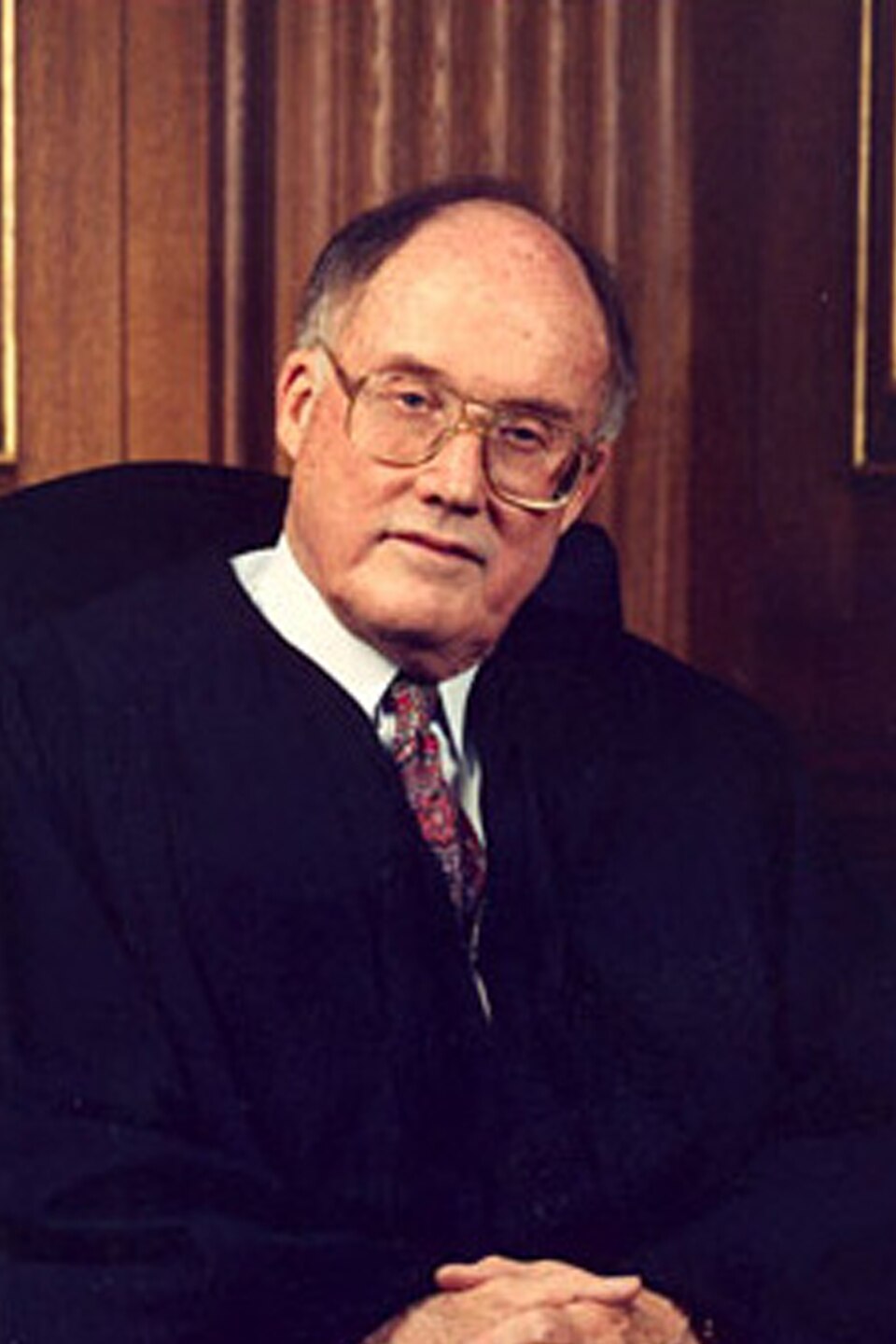
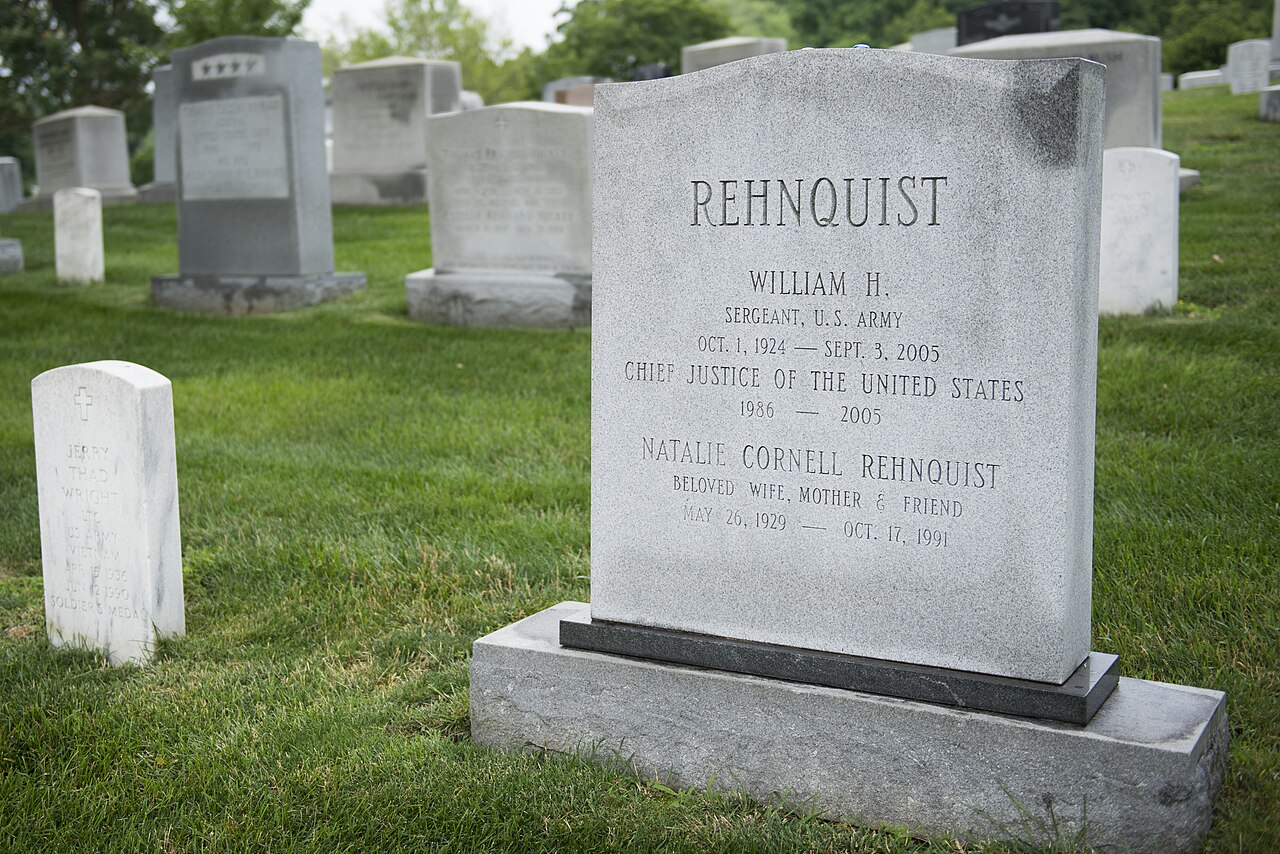
William Hubbs Rehnquist was an American attorney who served as the 16th chief justice of the United States from 1986 until his death in 2005, having previously been an associate justice from 1972 to 1986. Considered a staunch conservative, Rehnquist favored a conception of federalism that emphasized the Tenth Amendment's reservation of powers to the states. He presided over the impeachment trial of President Bill Clinton and wrote majority opinions in United States v. Lopez (1995) and United States v. Morrison (2000), holding in both cases that Congress had exceeded its power under the Commerce Clause.
- born
- October 1, 1924
- died
- September 3, 2005
- field
- Law, Judiciary
- nationality
- American
- known_for
- 16th Chief Justice of the United States; Rehnquist Court; conservative federalis
Verified Timeline
Lore & Background
Rehnquist grew up in the Milwaukee suburb of Shorewood, Wisconsin, and served in the U.S. Army Air Forces from 1943 to 1946, mostly in assignments in the United States, including as a weather observer in North Africa. He graduated from Stanford University in 1948 with Bachelor of Arts and Master of Arts degrees in political science, then earned another Master of Arts in government from Harvard University in 1950. He returned to Stanford Law School, where he was an editor of the Stanford Law Review and graduated first in his class in 1952. Rehnquist clerked for Justice Robert H. Jackson during the Supreme Court's 1952–1953 term, then entered private practice in Phoenix, Arizona, from 1953 to 1969. He served as a legal adviser for Republican presidential nominee Barry Goldwater in the 1964 U.S. presidential election, and President Richard Nixon appointed him U.S. Assistant Attorney General of the Office of Legal Counsel in 1969. In that capacity, he played a role in forcing Justice Abe Fortas to resign for accepting $20,000 from financier Louis Wolfson before Wolfson was convicted of selling unregistered shares. In 1971, Nixon nominated Rehnquist to succeed Associate Justice John Marshall Harlan II, and the U.S. Senate confirmed him that year. During his confirmation hearings, Rehnquist was criticized for allegedly opposing the Supreme Court's decision in Brown v. Board of Education (1954) and allegedly taking part in voter suppression efforts targeting minorities as a lawyer in the early 1960s. Historians debate whether he committed perjury during the hearings by denying his suppression efforts despite at least ten witnesses to the acts, but it is known that at the very least he had defended segregation by private businesses in the early 1960s on the grounds of freedom of association. Rehnquist quickly established himself as the Burger Court's most conservative member. In 1986, President Ronald Reagan nominated Rehnquist to succeed retiring Chief Justice Warren Burger, and the Senate confirmed him. Rehnquist served as Chief Justice for nearly 19 years, making him the fifth-longest-serving chief justice and the ninth-longest-serving justice overall. He became an intellectual and social leader of the Rehnquist Court, earning respect even from the justices who frequently opposed his opinions. As Chief Justice, Rehnquist presided over the impeachment trial of President Bill Clinton. He wrote the majority opinions in United States v. Lopez (1995) and United States v. Morrison (2000), holding in both cases that Congress had exceeded its power under the Commerce Clause. He dissented in Roe v. Wade (1973) and continued to argue that Roe had been incorrectly decided in Planned Parenthood v. Casey (1992). In Bush v. Gore, he voted with the court's majority to end the Florida recount in the 2000 U.S. presidential election.
Reader's Guide
William Rehnquist's significance lies in his long tenure as Chief Justice and his role in shaping American constitutional law toward a more conservative federalism. His majority opinions in United States v. Lopez (1995) and United States v. Morrison (2000) limited Congress's Commerce Clause power, reinforcing states' rights under the Tenth Amendment. He consistently opposed Roe v. Wade (1973) and continued to argue that Roe had been incorrectly decided in Planned Parenthood v. Casey (1992). He voted with the court's majority to end the Florida recount in Bush v. Gore. His confirmation hearings were marked by controversy over his past views on segregation and alleged voter suppression, with historians debating whether he committed perjury. Despite these disputes, he earned respect from colleagues across the ideological spectrum and led the Court during a period of significant constitutional change. His legacy includes a strengthened federalist framework and a more conservative judiciary.
Did You Know?
- Rehnquist changed his middle name to Hubbs while in high school.
- He served as a weather observer in North Africa during World War II.
- Rehnquist was in the same class at Stanford Law as Sandra Day O'Connor and briefly dated her.
- As a law clerk, he wrote a memo arguing that Plessy v. Ferguson was right and should be reaffirmed.
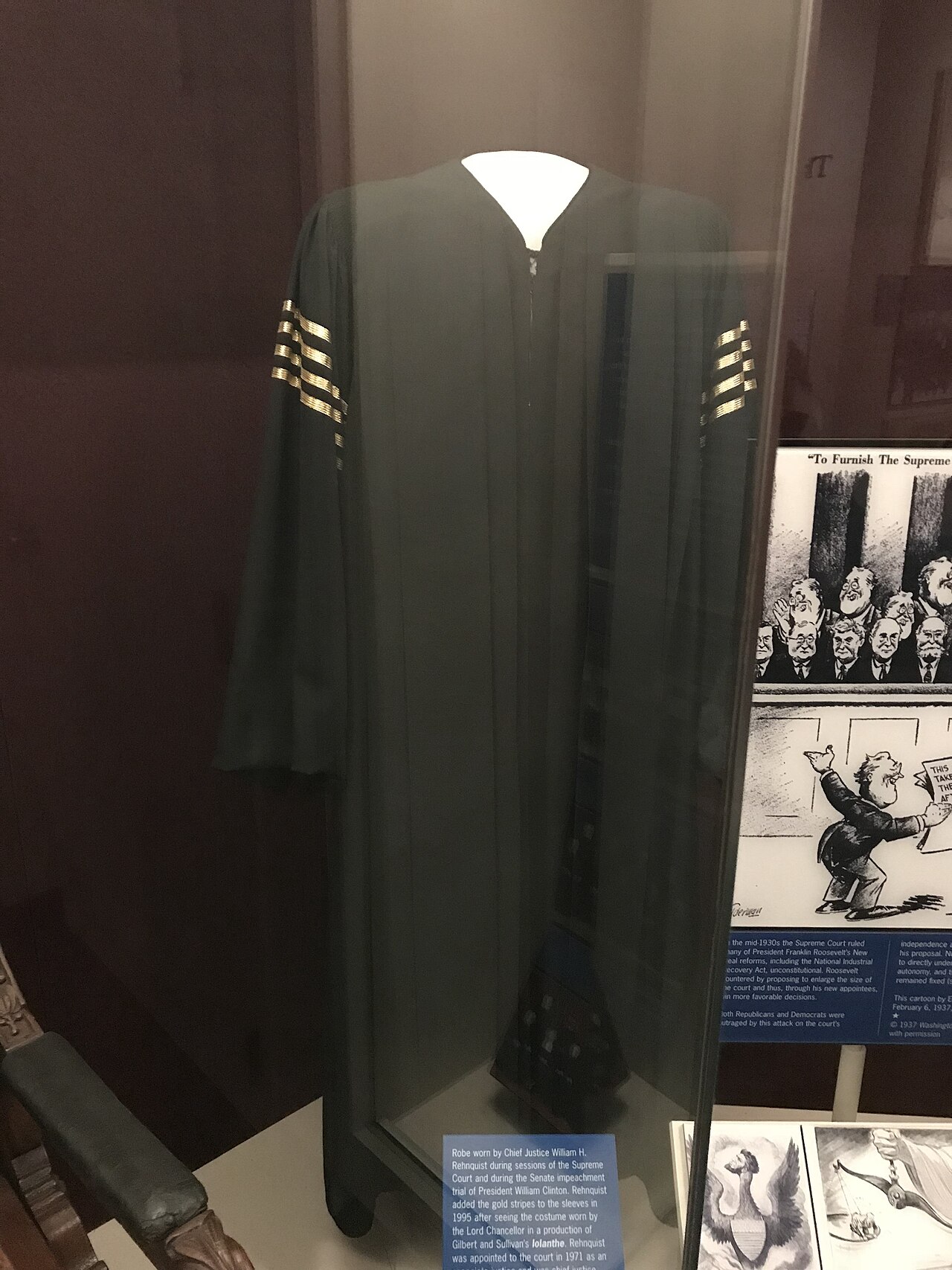
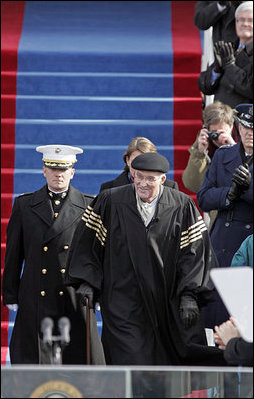
- He presided over the impeachment trial of President Bill Clinton as Chief Justice.
Roots and Forging Years
William Rehnquist was born on October 1, 1924, in Shorewood, a Milwaukee suburb. His father managed sales for printing, paper, and medical supply firms; his mother, Margery, was a civic activist and translator whose family ran a hardware store and held an insurance company board seat. The paternal line traced to Swedish immigrants. Rehnquist finished Shorewood High School in 1942, changing his middle name to Hubbs that year. A brief stint at Kenyon College gave way to three years in the Army Air Forces, where he cycled through a pre-meteorology program, weather-instrument training at several bases, and a summer as a weather observer in North Africa before his honorable discharge as a sergeant in 1946. The G.I. Bill funded his move to Stanford, where he collected bachelor's and master's degrees in political science by 1948, then a master's in government from Harvard in 1950. Back at Stanford Law, he edited the Law Review and graduated first in his class in 1952. His conservative leanings were already sharp—his diary noted he "hated" liberal Justice Hugo Black. He briefly dated Sandra Day O'Connor and proposed marriage before she declined. He wed Nan Cornell in 1953.
From Phoenix to the White House
After clerking for Justice Robert H. Jackson during the 1952–53 term, Rehnquist settled into private practice in Phoenix, Arizona. His political ambitions surfaced in 1964 when he advised Barry Goldwater's Republican presidential campaign as a legal strategist. President Nixon then appointed him Assistant Attorney General of the Office of Legal Counsel in 1969, a post in which he helped build the case forcing Justice Abe Fortas to resign after accepting twenty thousand dollars from financier Louis Wolfson, later convicted of selling unregistered shares. In 1971, Nixon nominated Rehnquist to succeed Associate Justice John Marshall Harlan II. Senate confirmation proved contentious: Rehnquist faced accusations of opposing Brown v. Board of Education and of participating in voter-suppression tactics targeting minorities in the early 1960s. At least ten witnesses attested to those efforts, yet Rehnquist denied them under oath, igniting a lasting debate among historians over whether he committed perjury. What is documented is that he had defended private businesses' right to segregate on freedom-of-association grounds. Once confirmed, he rapidly established himself as the Burger Court's most ideologically conservative voice.
The Rehnquist Court and Federalism
In 1986, President Ronald Reagan elevated Rehnquist to Chief Justice, succeeding Warren Burger, and the Senate confirmed him. He would serve nearly nineteen years in that role, making him the fifth-longest-serving chief justice and the ninth-longest-serving justice overall. Rehnquist shaped the intellectual and social culture of the Rehnquist Court, earning respect even from colleagues who routinely dissented from his opinions. His judicial philosophy centered on a robust reading of the Tenth Amendment, insisting that powers not delegated to the federal government were reserved to the states. That vision found its clearest expression in United States v. Lopez (1995) and United States v. Morrison (2000), where he authored majority opinions holding that Congress had overreached under the Commerce Clause. On abortion, he dissented in Roe v. Wade in 1973 and continued pressing his objection in Planned Parenthood v. Casey in 1992. As chief justice, he also presided over the impeachment trial of President Bill Clinton and, in Bush v. Gore, joined the majority that halted the Florida recount in the 2000 presidential election.
The Brown Memo and a Divided Legacy
Perhaps no single document captures the tension in Rehnquist's legacy more starkly than his 1952 memorandum, "A Random Thought on the Segregation Cases," written while clerking for Justice Jackson as the Court deliberated Brown v. Board of Education. In it, he defended the separate-but-equal doctrine of Plessy v. Ferguson, arguing that in the long run the majority would determine the constitutional rights of the minority. He conceded the stance was "unpopular and unhumanitarian" and that "liberal" colleagues had excoriated him, yet he insisted Plessy was right. The memo resurfaced during his 1971 confirmation hearings, where he faced pointed questions about both the document and alleged involvement in voter-suppression campaigns targeting minorities. The perjury question—whether he truthfully denied those activities before the Senate—remains contested among historians, though at least ten witnesses had described the suppression efforts. Rehnquist died on September 3, 2005, after nearly nineteen years as chief justice, leaving a record defined by his staunch conservative federalism, his persistent opposition to Roe v. Wade, and the unresolved questions his early career continues to provoke.
Gallery
Frequently Asked Questions
Who is William Rehnquist?
William Rehnquist was an American attorney and jurist who held the position of 16th Chief Justice of the United States. He first joined the Supreme Court as an associate justice in 1972 before being elevated to the chief justice role in 1986.
What was William Rehnquist's role on the Supreme Court?
Rehnquist served as an associate justice from 1972 to 1986 and then as Chief Justice until his death in 2005. In that capacity, he presided over the court's proceedings, including the impeachment trial of President Bill Clinton.
What was William Rehnquist's judicial philosophy?
He was a staunch conservative who championed a particular view of federalism rooted in the Tenth Amendment's reservation of powers to the states. His majority opinions in key Commerce Clause cases reflected his belief in limiting federal authority.
Why is William Rehnquist important in legal history?
As the head of what is commonly called the Rehnquist Court, he shaped decades of constitutional jurisprudence on federalism and the separation of powers between state and national governments. His tenure bridged the Warren and Roberts eras, making him a pivotal figure in twentieth-century American law.
When was William Rehnquist born and when did he die?
He was born on October 1, 1924, and passed away on September 3, 2005, while still serving as Chief Justice. His career in law and the judiciary spanned the latter half of the twentieth century.
More in Jurists And Legal Scholars 25-31
Elsewhere in the Jurists And Legal Scholars universe
Spotted an error? Know more?
This is a living reference — every entry is fact-audited, and reader corrections feed straight into our audit queue. Suggest an edit · See this site's audit record