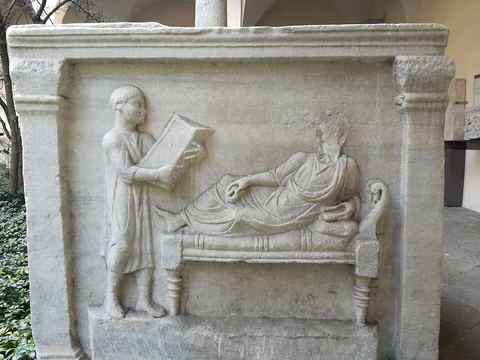
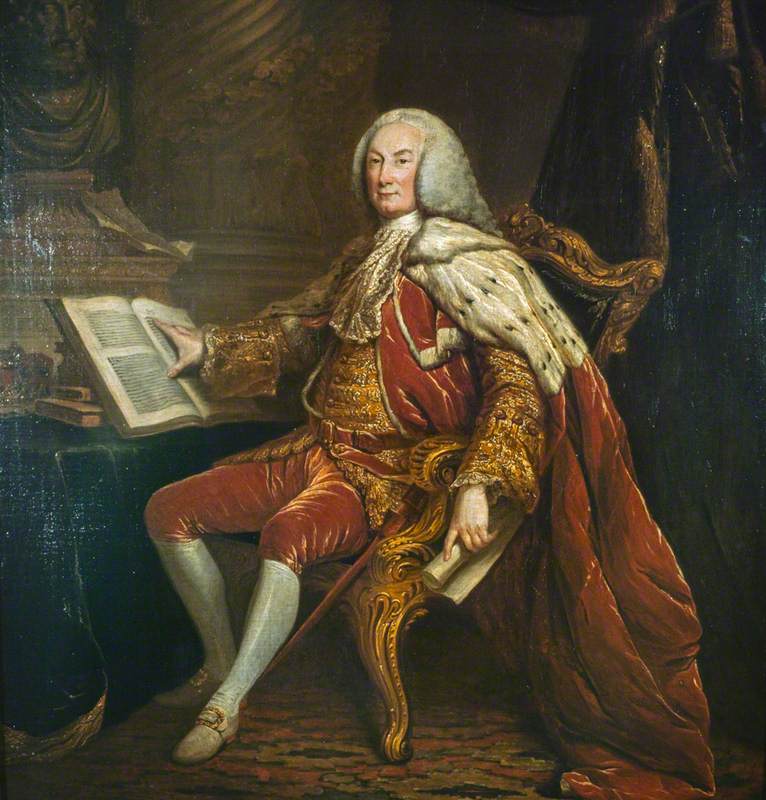
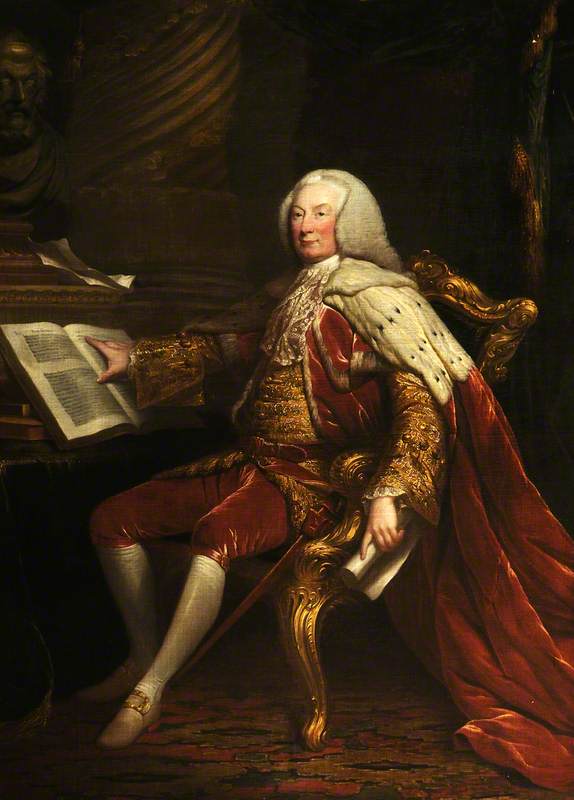
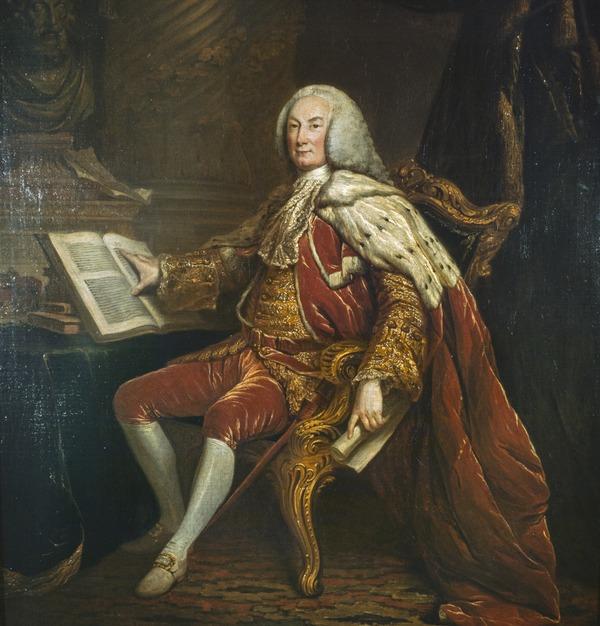
William Murray, 1st Earl of Mansfield
British jurist who reformed English law and challenged slavery.

Stephencdickson · CC BY-SA 4.0
He is best known for his reforms to English law, particularly in commercial law, and for his judgment in Somerset v Stewart, which held that slavery had no basis in common law in England.
- field
- Law, Politics
- nationality
- British
- known_for
- Reforms to English law, judgment in Somerset v Stewart, founder of English commercial law
Lore & Background
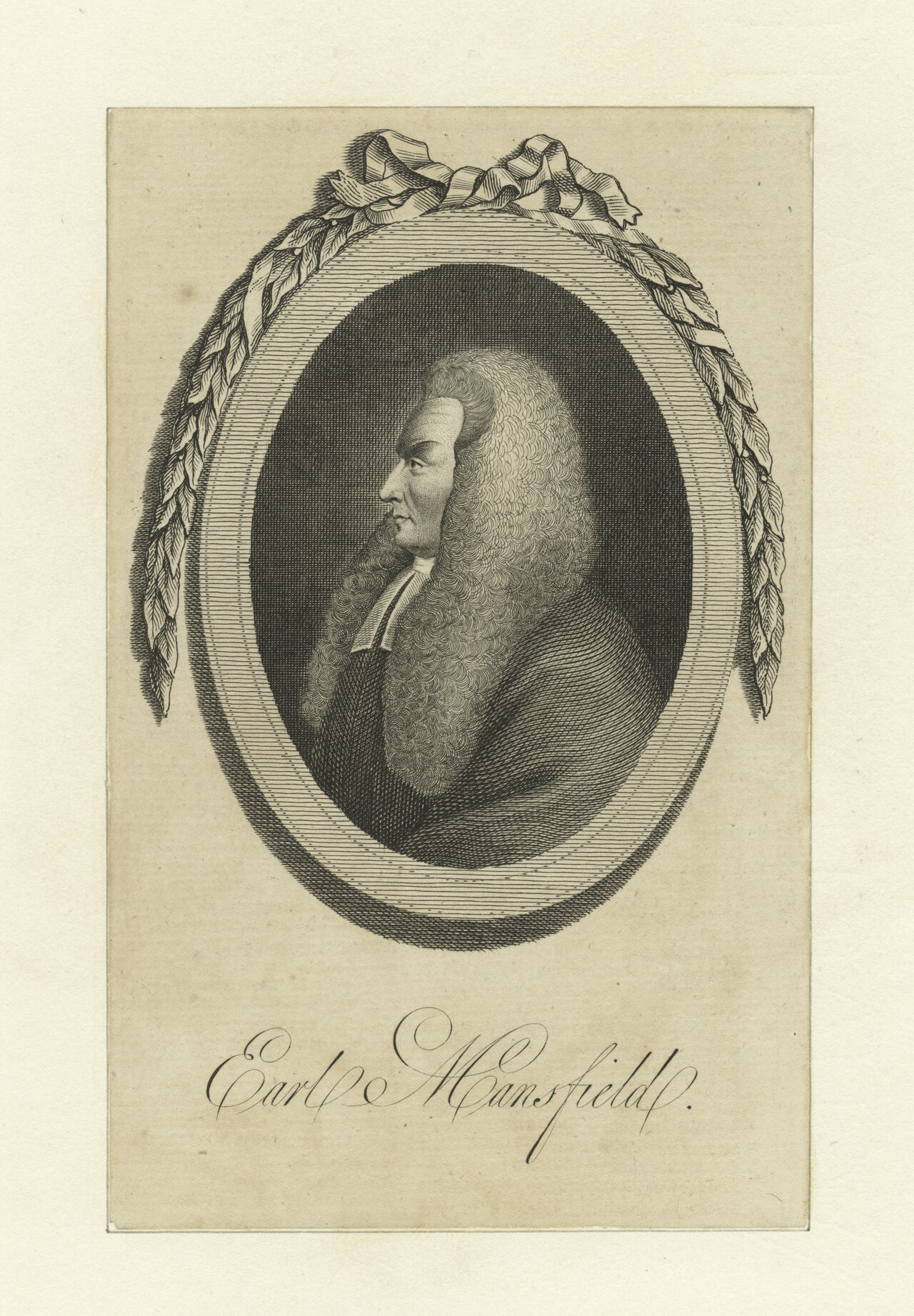
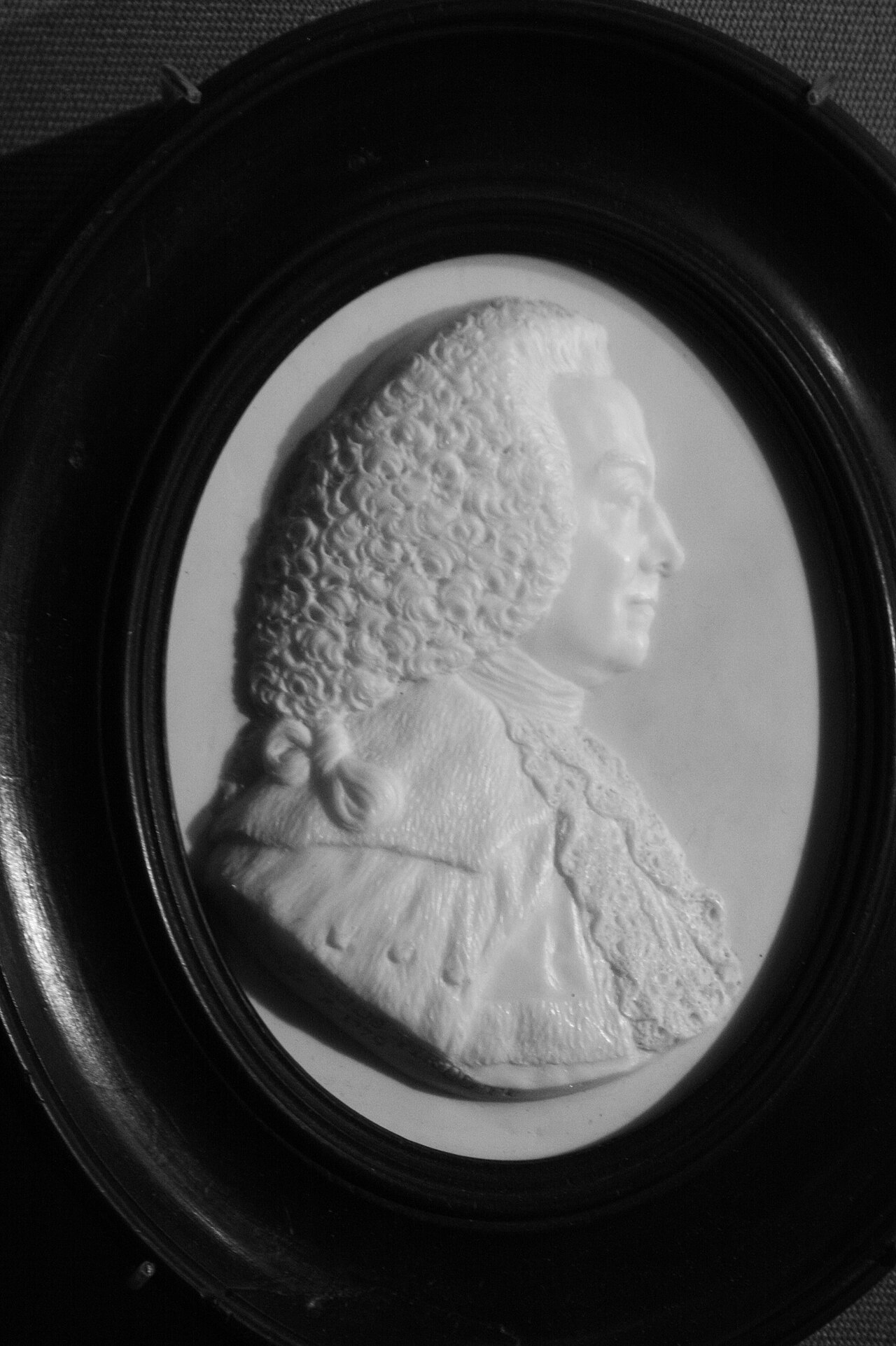
He was educated at Perth Grammar School, where he learned Latin, English grammar, and essay writing. As the most powerful British jurist of the 18th century, his decisions reflected the Age of Enlightenment. He advanced commercial law, modernized English law and courts, rationalized the system for submitting motions, and reformed the delivery of judgments to reduce expense for parties. Mansfield is also known for his judgment in Somerset v Stewart, where he held that slavery had no basis in common law and had never been established by positive law in England, and therefore was not binding in law. Though the judgment did not explicitly outlaw slavery in England or British colonies, it played an important role in the early British abolitionist movement and inspired challenges to slavery on both sides of the Atlantic.
Reader's Guide
William Murray, 1st Earl of Mansfield, is significant as the most powerful British jurist of the 18th century. His decisions reflected the Age of Enlightenment and moved the country onto the path to abolishing slavery. He advanced commercial law in ways that helped establish Britain as a world leader in industry, finance, and trade. For his work in Carter v Boehm and Pillans v Van Mierop, Mansfield has been called the founder of English commercial law. His judgment in Somerset v Stewart, while not explicitly outlawing slavery, held that slavery had no basis in common law and had never been established by positive law in England, and therefore was not binding in law. This played an important role in the early stages of the British abolitionist movement and inspired challenges to slavery on both sides of the Atlantic. Mansfield also modernized both English law and England's courts, rationalized the system for submitting motions, and reformed the way judgments were delivered to reduce expense for the parties. His legacy includes helping to establish Britain as a world leader in industry, finance, and trade through his commercial law reforms.
Did You Know?
- He was described as 'beyond comparison the best speaker' in the House of Commons.
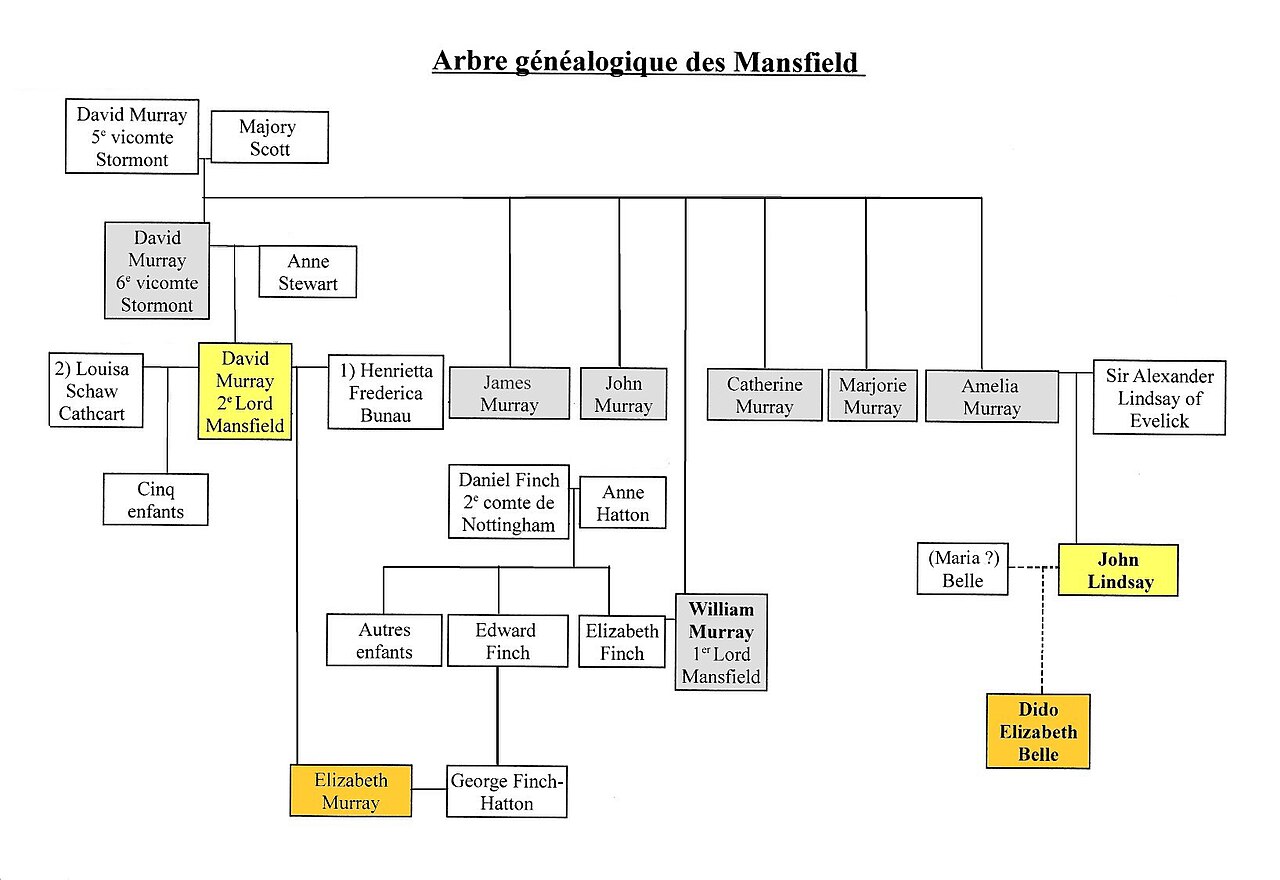
- Mansfield and his wife took care of their great niece, Lady Elizabeth Murray, and also took in Dido Elizabeth Belle, the illegitimate daughter of his nephew and an enslaved woman of African descent.
Gallery
Frequently Asked Questions
What was Mansfield's role in English law?
As a judge, he reformed commercial law and expanded the scope of English jurisprudence across several legal domains. His work helped modernize and systematize the English legal framework during the 18th century.
What did Mansfield decide in Somerset v Stewart?
He held that the institution of slavery was not recognized or supported by English common law. This meant a person could not be forcibly removed from England to be sold as a slave based solely on common-law principles.
Why is Mansfield important in legal history?
He is credited with establishing the foundations of English commercial law and modernizing the legal system of his era. His Somerset v Stewart judgment also made him a pivotal figure in the legal arguments that eventually contributed to the abolition of slavery.
More in Jurists And Legal Scholars 25-31
Elsewhere in the Jurists And Legal Scholars universe
Spotted an error? Know more?
This is a living reference — every entry is fact-audited, and reader corrections feed straight into our audit queue. Suggest an edit · See this site's audit record