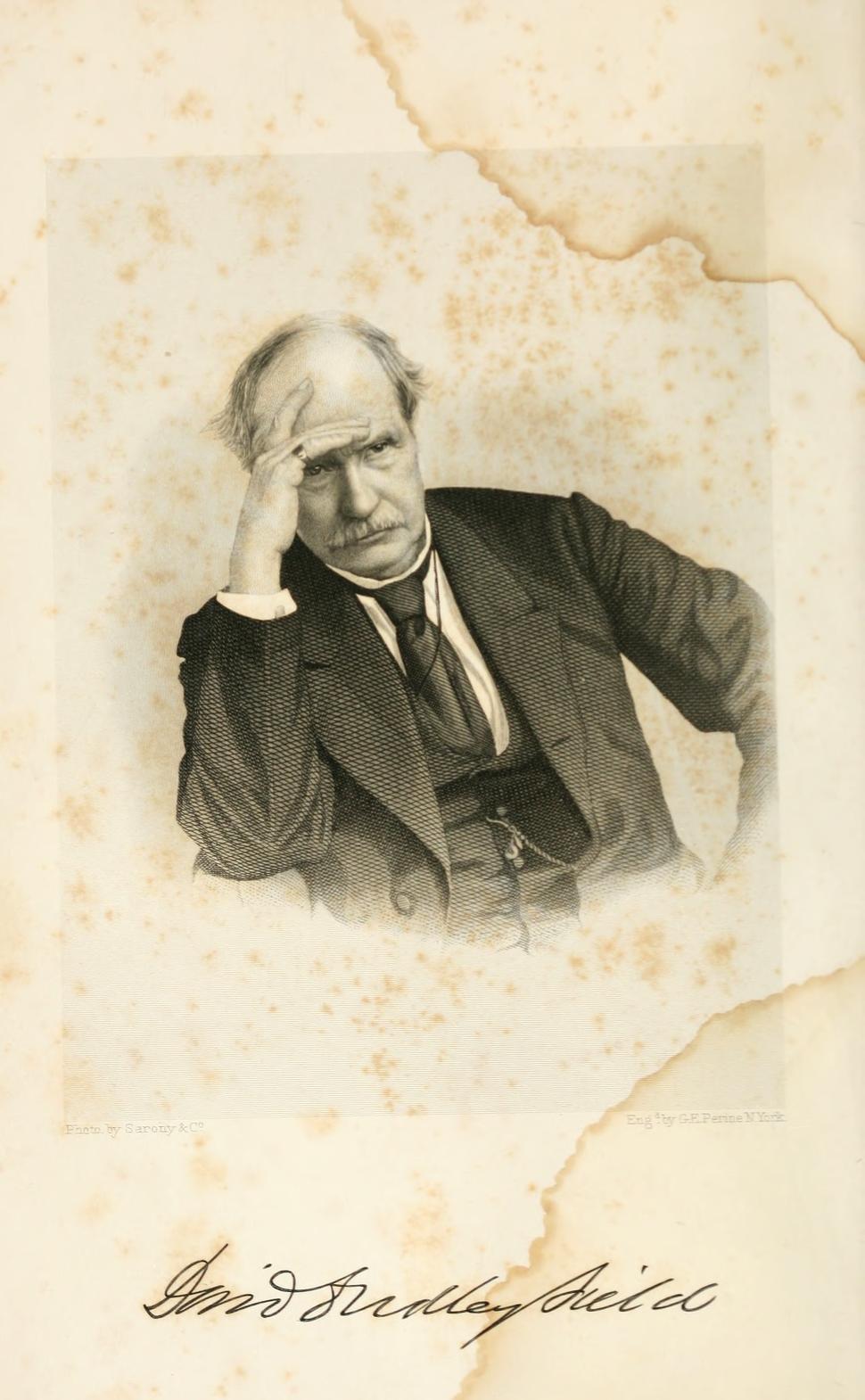
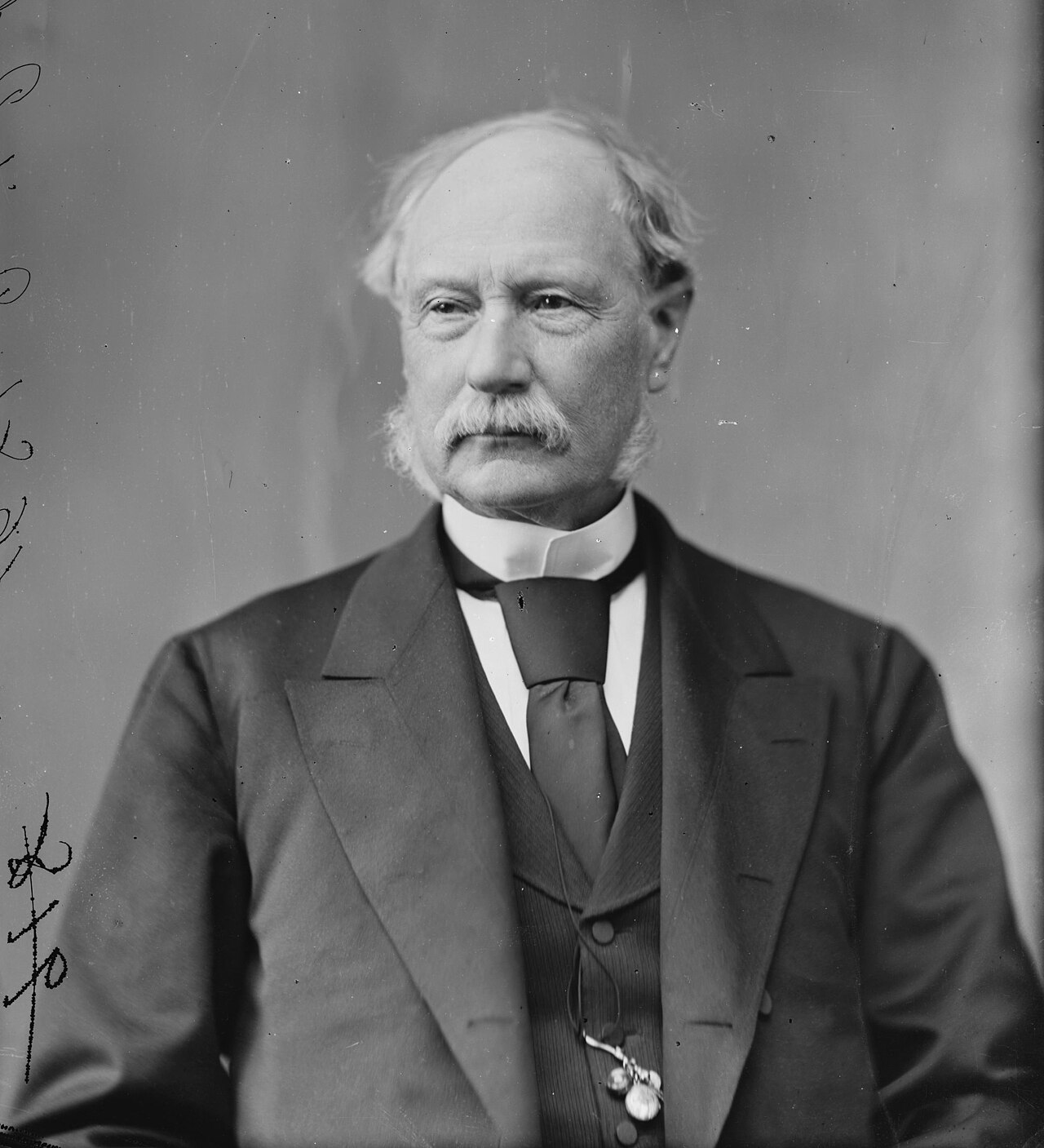
David Dudley Field II
Architect of the Field Code and procedural reform.

George Edward Perine · Public domain
He also served a full two-year term as a U.S.
- known_for
- Field Code of civil procedure; codification of law; reform and codification of procedure as a unified legal category
Lore & Background
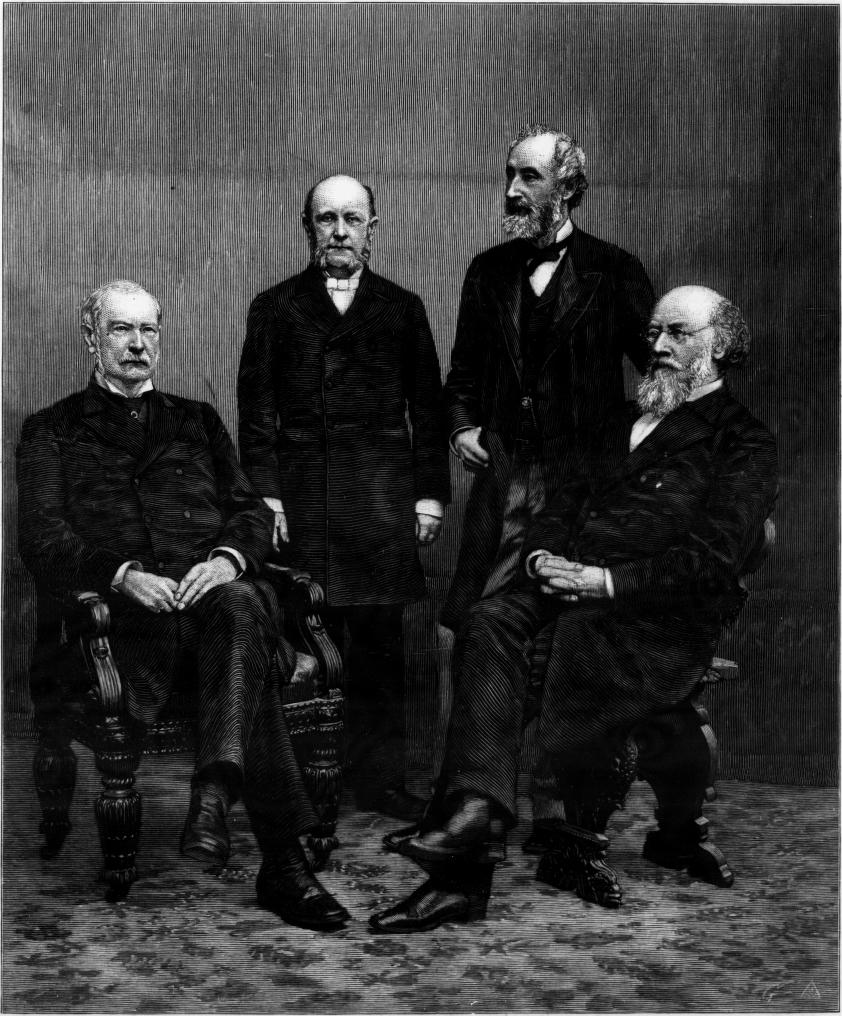
Field was born in Haddam, Connecticut, the oldest of eight children (five sons and three daughters) of Rev. David Dudley Field I and Submit Dickenson Field. His brothers included U.S. Supreme Court Justice Stephen Johnson Field, businessman Cyrus Field, and clergyman Henry Martyn Field. After practicing law for several years, Field became convinced that the common law in America needed radical changes. He returned to establish his own law firm, joined by brothers Stephen and Jonathan. Field devoted more than 40 years to codification, beginning with pamphlets and legislative testimony. The penal code was drafted by William Curtis Noyes, not Field.
Reader's Guide
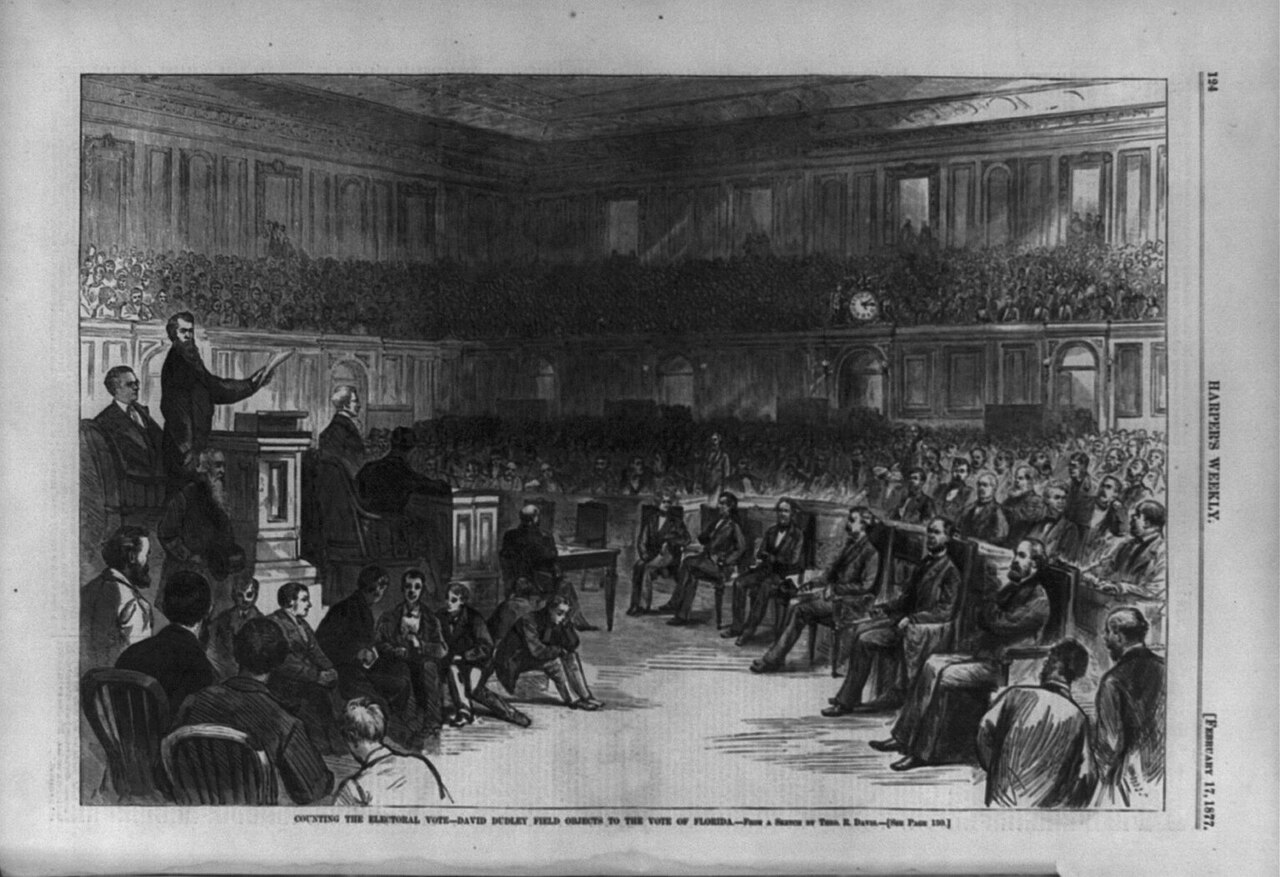
David Dudley Field II's significance lies in his transformation of American civil procedure. Before the Field Code, common law jurisdictions treated 'pleading' and 'practice' as distinct bodies of law; Field joined them under the heading 'procedure,' inventing it as a coherent category defined in antithesis to substantive law. The Field Code abolished the distinction between actions at law and suits in equity, requiring only one civil action. It also took an expansive approach to evidence, allowing any person 'having organs of sense' to testify except the insane and very young children, though fifteen states excluded testimony from persons of various races when adopting the code. The Field Code was adopted, with changes, in 27 states and influenced England's Judicature Acts. Field's later civil code was adopted in large part by California, Idaho, Montana, North Dakota, South Dakota, and Guam. Field's work also extended to international law, where he proposed a codification of the laws of all nations. His legacy is the creation of modern procedural law and the spread of codification across the United States and beyond.
Did You Know?
- Field's brother Stephen Johnson Field served as a U.S. Supreme Court Justice, and his brother Cyrus Field created the Atlantic Cable.
- Field's civil code was repeatedly rejected by New York but later adopted by California, Idaho, Montana, North Dakota, South Dakota, and Guam (the latter adopting it as a complete code, not merely 'in large part').
Gallery

Frequently Asked Questions
What was Field's main contribution to legal procedure?
He argued that civil procedure should be treated as one coherent, codified category rather than a patchwork of separate common-law actions. His push to move from common-law pleading to code pleading was the central achievement of his career.
Why is he considered important in legal history?
His procedural reforms fundamentally restructured how American courts handle civil disputes, and the code-pleading model he championed spread across states and into federal practice. He is widely regarded as the architect of modern American civil procedure.
More in Jurists And Legal Scholars 1-24
Elsewhere in the Jurists And Legal Scholars universe
Spotted an error? Know more?
This is a living reference — every entry is fact-audited, and reader corrections feed straight into our audit queue. Suggest an edit · See this site's audit record